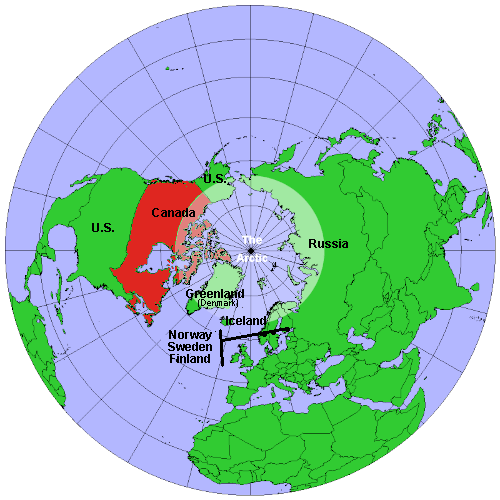
Circle the area on this map

B. Greenland, an autonomous territory of the Kingdom of Denmark, has the world’s northernmost point of land. Canada is the next closest to the pole, followed by Russia, Norway, and the United States. President Donald Trump has repeatedly talked about annexing Canada and taking over Greenland from Denmark, both U.S. allies.
C. World leaders gather every year in the Swiss resort city of Davos to discuss events and trends affecting the economy. Canada and other members of the North Atlantic Treaty Organization (NATO) were disturbed by Trump’s threats to use tariffs in his attempt to take over Greenland.
B. The Arctic Circle, at 66° 34' north of the Equator, cuts through tiny Grimsey Island, which is about 20 miles north of Iceland’s main island. In 2021, Grimsey had a population of 57 people and thousands of puffins and other seabirds that visit the island for breeding.
D. Scientists say the Arctic is at its warmest in at least 4,000 years, and the sea ice has declined more than 50% since the first satellite records. The prospect of shorter shipping routes between Atlantic and Pacific ports, as well as potential gas and oil deposits, has led to conflicting national claims. There are fears the warming climate could heat tensions in the region.