NewsTracker Answers for week of Nov. 16, 2026

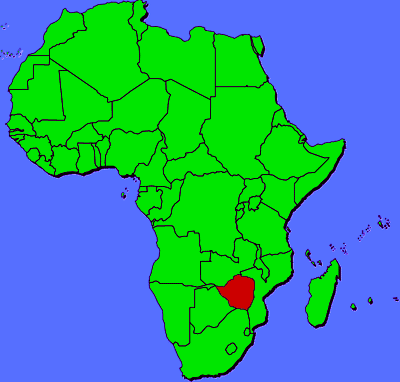
Q: In Zimbabwe, solar-powered electric three-wheelers are transforming transportation for rural farmers and entrepreneurs, making it easier to transport crops, reach markets, and access medical care. These vehicles are part of a growing shift toward smaller, affordable electric transportation across Africa. Where is Zimbabwe located?

Circle the area on this map


Q: Zimbabwe is part of a region where countries depend on cross-border transportation networks to move agricultural products, minerals, and manufactured goods. Which neighboring country lies directly south of Zimbabwe?

A. Kenya

B. Angola

C. South Africa

D. Tanzania


C. Zimbabwe’s landlocked position means it has no direct access to the ocean, making road networks and connections with neighboring countries especially important for trade. In rural areas, where roads and public transportation may be limited, affordable electric vehicles can help farmers reach markets and connect isolated communities with essential services.


Q: Zimbabwe’s electric three-wheelers use solar-powered charging stations to help drivers travel in areas where electricity infrastructure may be unreliable. Which geographic or environmental characteristic makes solar energy a useful option for transportation in Zimbabwe?

A. Zimbabwe receives sunlight throughout much of the year, providing opportunities to generate solar electricity.

B. Zimbabwe is located within the Arctic Circle, where summer daylight lasts for 24 hours.

C. Zimbabwe’s electricity comes entirely from geothermal power generated by active volcanoes.

D. Zimbabwe experiences continuous rainfall throughout the year, making hydropower its only renewable energy option.


A. Zimbabwe has substantial solar energy potential because of its geographic location and generally favorable sunshine conditions. Solar charging stations can be especially valuable in rural communities where access to the national electricity grid is limited or unreliable. By using locally generated electricity, electric three-wheelers can reduce dependence on imported fuels and provide transportation services in areas underserved by conventional infrastructure.


Q: Although Africa accounts for a relatively small share of global electric car sales, the continent plays an important role in supplying minerals used to manufacture batteries. Which African country is the world’s leading producer of cobalt, a mineral used in many rechargeable batteries?

A. Egypt

B. Democratic Republic of the Congo

C. Kenya

D. Senegal


B. The Democratic Republic of the Congo (DRC), located in Central Africa, produces approximately three-quarters of the world’s mined cobalt. Its mineral resources make it an important participant in global battery supply chains, even though much of the processing and manufacturing occurs outside Africa.


Q: While Zimbabwe’s electric transportation efforts have focused on motorcycles and three-wheelers, another African country has pursued a different approach by encouraging the adoption of electric passenger cars. Which East African country introduced restrictions on importing gasoline- and diesel-powered vehicles in 2024 to accelerate the transition to electric transportation?

A. Ethiopia

B. Ghana

C. Namibia

D. Tunisia


A. Ethiopia, located in the Horn of Africa, introduced restrictions on importing gasoline- and diesel-powered vehicles in 2024. The policy reflects an effort to reduce dependence on imported petroleum and take advantage of the country’s substantial hydropower resources. Unlike Zimbabwe’s emphasis on affordable, small electric vehicles for rural transportation, Ethiopia’s approach has placed greater emphasis on transforming the wider passenger vehicle market through national policy. These different strategies demonstrate how geography, energy resources, and economic conditions shape transportation development across Africa.